Finding Local Stimulus Projects

1

Recently while driving around Northern California, I’ve seen a number of signs saying “This project is supported by ARRA funds.” And I started wondering where all the local projects were. It turns out that if you go to Recovery.Gov, there is a map (here) where you can search by state or zip code to find nearby ARRA projects, as that information has been reported by the recipient of the funds.

photo credit: recovery.gov

You can click on each dot to get information about the organization and amount awarded.

You can see summaries by state (see California here) for different categories – by zip code, by top recipients, by top infrastructure projects, top congressional districts, by the funding federal agency, and by the jobs reported created.

PACE Programs Here, and Gone

1

This post is part of our ongoing focus on energy, water, waste and transportation issues relevant to California at large.

– – –

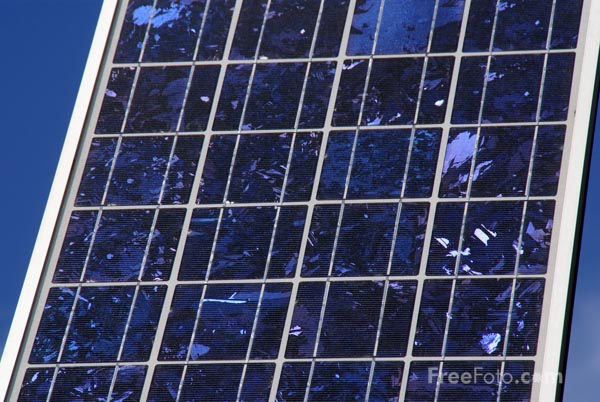
photo credit: free foto.com

Property Assessed Clean Energy (PACE) programs are being quickly halted due to a recent announcement by the Federal Housing Finance Agency (FHFA) that declared the investments potentially unsafe for lenders. The new and upcoming PACE programs being piloted and planned by cities and counties around the country would offer homeowners bond-backed loans for solar and other energy efficiency upgrades to homes.

Under most terms, the PACE loan (which is attached to the house itself, like an assessment) would have first priority for repayment ahead of the mortgage. This repayment structure provoked a warning pronouncement from Fannie Mae and Freddie Mac last month. Now the FHFA has dealt another blow by also warning lenders that the programs could prove risky- effectively halting operations for the time being.

Read more coverage on the FHFA’s PACE announcement in:

The Bond Buyer, The Huffington Post, and Greentech Media.

Finding California Incentives and Rebates

1

There are hundreds of energy, water, and waste incentives, rebates, and services available for homes  in California, but it can be daunting to find them. Here are a few places to start:

Flex Your Power allows you to search for energy-related incentives and technical help available from utility companies, water agencies, and other organizations by entering your zip code.  A search in my zip code (in Berkeley) found 71 incentives and 18 services.

The Database of State Incentives for Renewables & Efficiency (DSIRE) lists state and local incentives by category and also lists related programs and initiatives. It can be much harder to figure out which specific programs are applicable, though. The database also lists federal incentives.

The California Urban Water Conservation Council lists programs participating in its Smart Rebates by water utility district.

For folks living in the East Bay:

East Bay Municipal Utility District lists its residential conservation rebates and services.

StopWaste.Org lists waste prevention and recycling services available to residents of Alameda County.

Global Warming’s Six Americas

1

This post is part of an ongoing effort to discover, and provide a venue for, data collection , reports,  and metrics related to the topics of waste, water, energy and transportation.

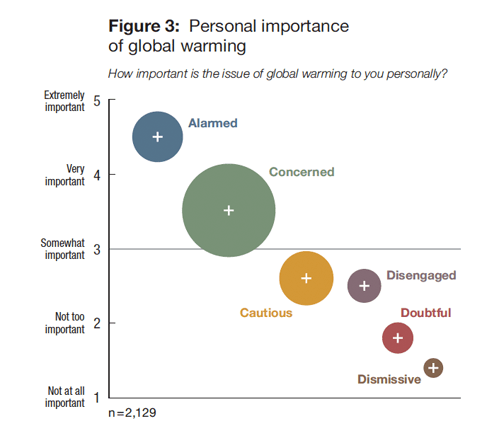
A graph from the Global Warming’s Six Americas report

Global Warming’s Six Americas is a report released in May of 2009 by the George Mason University Center for Climate Change Communication, and Yale’s Project on Climate Change Communication,  illuminating American attitudes towards global climate change and climate change policy. The report has the stated premise that “Climate change public communication and engagement efforts must start with the fundamental recognition that people are different and have different psychological, cultural, and political reasons for acting – or not acting– to reduce greenhouse gas emissions”.

The group used data gathered during 2008 from an in-depth questionnaire to assess attitudes, concerns, perceptions, risk values, policy preferences and other identified survey dimensions, ultimately enumerating 6 common response types among Americans at large regarding issues related to global climate change.

The six “types” identified by the report are the Alarmed (18%), the Concerned (33%), the Cautious (19%) , the Disengaged (12%), the Doubtful (11%), and the Dismissive (7%). Each group corresponds to a distinct station on the spectrum of attitudes and responses cataloged by the researchers.

It never hurts to hear it again: with only 5% of the world’s population, America is yet responsible for 25% of greenhouse gas emissions (GGE)s. This, argues the report, is why understanding the diverse views of the American public on climate change is so crucial for and understanding our collective behaviors and for creating effective public education and policy messages.

Read the full “6 Americas” report here.

Stimulus Money for Energy Efficiency

1

The Sacramento Municipal Utility District (SMUD) will receive $20 million from the federal stimulus funds designated for California. The money will launch a Home Performance Program, which will offer HERS audits and energy upgrades to about 15,000 homes in SMUD territory. Because the program is expected to increase demand for trained contractors and auditors, SMUD will be working with the Sacramento Employment and Training agency and Los Rios Community College to develop training programs – via SMUD.

The California Energy Commission also approved $8 million for the County of Los Angeles, $3 million for the County of San Diego, and $1.9 million for the City of Fresno from Recovery Act Energy Efficiency Conservation Block Grants for residential energy retrofit programs – via Imperial Valley News.

– – –

There’s a cool map of hotspots where water and energy are coming into conflict around the world –  IEEE Spectrum.

– – –

There’s a new study from Arizona State University that analyzes the life cycle impact of swimming pools in nine cities in terms of their consumption of chemicals, water, and energy – via Environmental Science & Technology.

Problems for PACE Programs?

1

An article in the New York Times today highlights problems that may arise for Property Assessed Clean Energy programs (initiated here in Berkeley in 2008).  Fannie Mae and Freddie Mac have warned lenders that “an energy efficiency lien may not be senior to any mortgage delivered” to the loan giants.

For at least one home in California, the lenders refused to approve a loan for the purchase of a home with heating and cooling systems financed through a program in Sonoma County.  The property tax assessment that was to cover the cost of the systems had to paid off before the lenders would issue a loan for the property.

The full New York Times article, with more information about PACE programs and implications for them and other property tax assessment programs, is here.

More information about PACE programs can be found here.

Fast-Track Geothermal Project in Nevada


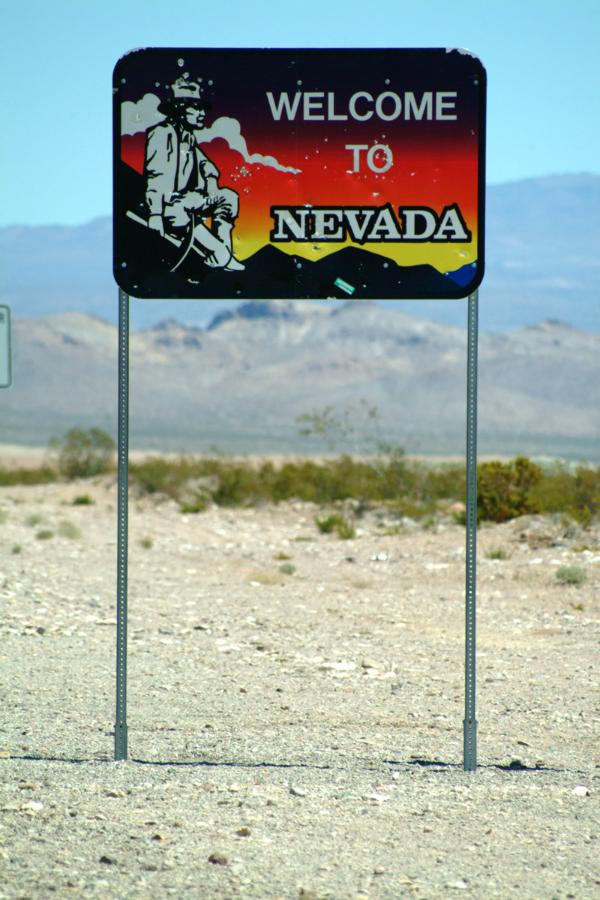
photo credit: freefoto.com

The Las Vegas Sun reports that the federal Bureau of Land Management just approved a fast-track geothermal project in Pershing County, Nevada. The company that proposed the project, Ormat Technologies, plans to build a 30 megawatt plant that covers about 13 square miles.

From the BLM announcement – “The BLM Fast-Track projects are those where the companies involved have demonstrated to the BLM that they have made sufficient progress to formally start the environmental review and public participation process. These projects could potentially be cleared by December 2010, thus making them eligible for economic stimulus funding under the American Recovery and Reinvestment Act of 2009. There are 34 national fast-track projects – 14 solar, 7 wind, 6 geothermal, and 7 transmission lines.”

A list of fast-track renewable energy projects can be found here on the BLM website.

Nevada currently has 11 geothermal plants, 3 of which are on Bureau of Land Management-managed public land.

Anna’s Links – Water and Solar Energy

I recently wrote a post as an overview of the energy-water nexus. Here are a couple articles that highlight the link between solar projects and water.

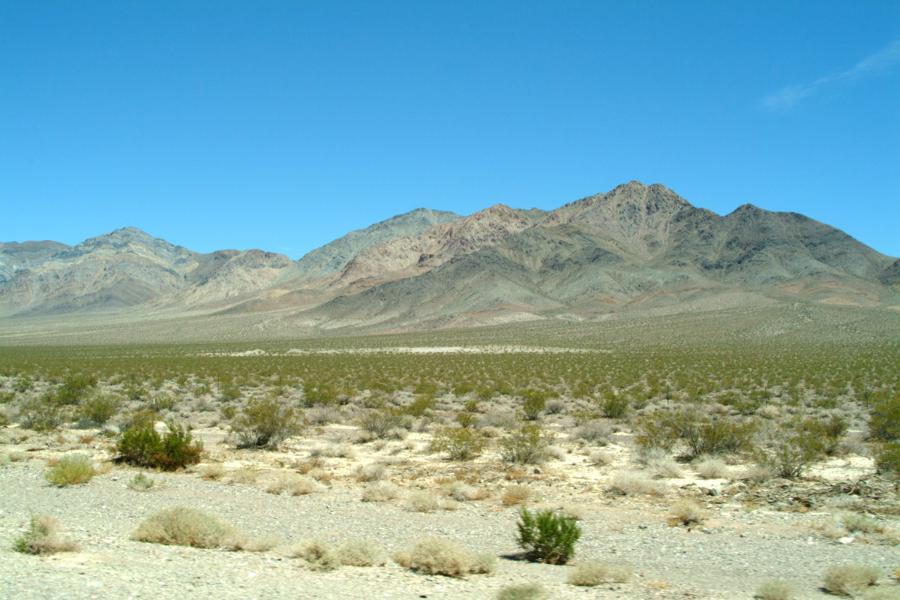
Armagosa Valley, Nevada (freefoto.com)

Last year, the New York Times ran an article about how a promising solar project in Armagosa Valley,  Nevada, by Solar Millenium ran hard up against western worries about water. The two proposed solar farms would require 1.3 billion gallons of water a year, or 20 percent of the local water available.

The Las Vegas Sun reports on the Skyline Solar facility in Nipton, California, that will use concentrating solar photovoltaic (CPV). CPV plants are expected to use much less water than solar thermal plants, which means they may be better candidates for places with lots of sun, but not as much water.

The energy-water nexus generally refers to needing water to produce energy and needing energy to move and filter water; however, it seemed fitting to include a story about using the sun and water to reduce energy use:

 NPR reports that the Camp Lejeune Marine Corps base in North Carolina is becoming one of the largest communities to widely install solar hot water panels. FLS Energy owns and installs the panels and then sells the hot water to the base, which means that there are basically only two main actors and decision-makers needed to install  systems on all 900 homes.  (The base is also planning a LEED Platinum fitness center – more info on the base website.)

World Energy Consumption Up 49% By 2035?

1

The U.S. Energy Information Administration issued its “International Energy Outlook 2010” report last month. The report predicts that fossil fuels will continue to provide more than 75% of global energy demand for the next 25 years. It also predicts that world energy consumption will increase 49% over the next 25 years. Developing nations are predicted to account for the huge majority of the increase in global energy demand.

International Energy Outlook 2008 Report Cover.  Need help, contact the National Energy Information Center at 202-586-8800.

The full report can be accessed here. Report highlights can be found here.

Anna’s Links – Smart Meters for Energy and Water

photo credit: freefoto.com

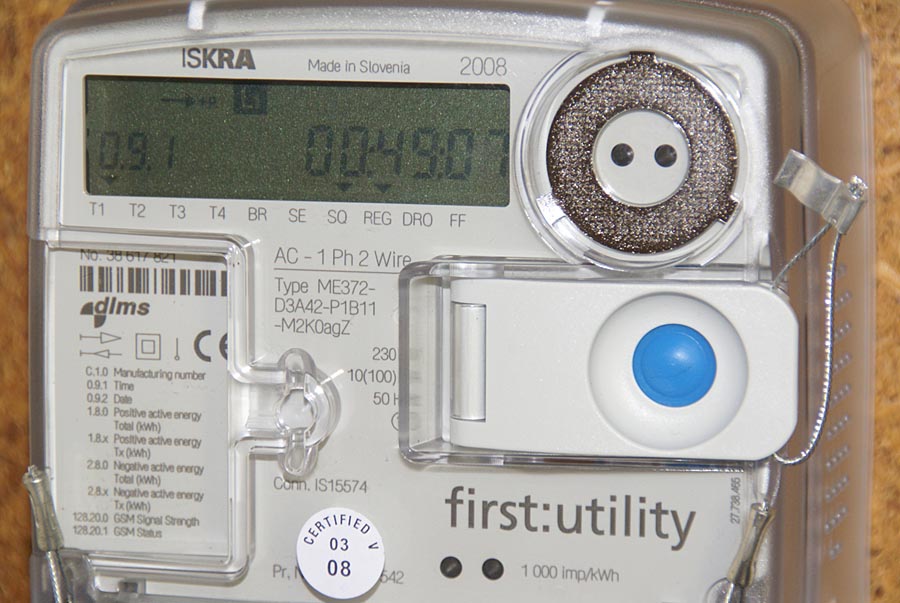
Many of you may have heard about the goings-on around the widespread installation of smart energy meters in California (after all, there have been lawsuits, legislative hearings, and mandated independent meter testing, just for the Pacific Gas and Electric meter installations).

So why go through all that to install smart energy meters? Because they hold huge promise for helping consumers reduce their energy use and for adding flexibility and reliability to how the grid is managed.

What you may not have heard as much about is that smart water meters are also being installed – more than half of California water utilities have some smart meters in their districts (via the New York Times). Ideally, smart water meters would provide real-time (or near real-time) feedback on water use to both the water utility and the consumer.

Also, Oracle has apparently developed an interest in smart water meters as a potential future market, as they already sell software systems to water (and power) utilities (via GreenTechmedia).