Snippets

The University of California–Davis has opened its West Village development, which aims to be the largest net-zero-energy community in the country  (via BuildingGreen.com). The bankruptcies of three American solar power companies in the last month, including Solyndra of California… have left China’s industry with a dominant sales position — almost three-fifths of the world’s production capacity — and rapidly declining costs (via NY Times).  China was the United States’ number one source of and destination for PV products in 2010.  The U.S. imported approximately $1.4 billion worth of PV products from China, while exporting between $1.7 billion and $2.0 billion.  This resulted in a positive trade balance with China with net exports of $247 million to $540 million (via Greentech Media).

Tiny Houses on TV!

1

This week’s episode of HGTV Design Star challenges the designers to decorate a tiny house. Which means that those of us who have admired (and secretly coveted) a tiny house such as the Tumbleweed Tiny Houses, can get a sense of how much space they have inside and how they could potentially be configured to fit different lifestyles. You can watch the episode online here.

– – –

(Image credit: Wikimedia Commons)

– – –

ZETA Factory and Installation

2

Many of you may have heard of ZETA Communities, a company that builds high performance and net zero energy modular housing, schools, and commercial structures that can be installed quickly and in dense urban areas.

A few weeks ago, they posted a video of how the structures are assembled in their factory,and they highlight some of the potential benefits of modular construction.

If you do not see the video embedded above, click here to watch it on YouTube.

I am also posting a video of one of their structures being installed on a site. (Note: the video does not have any sound.)

If you do not see the video embedded above, click here to watch it on YouTube.

THIS POST IS PART OF OUR FRIDAY VIDEO SERIES.

UC San Diego Lighting Retrofit

2

My friend Anna Levitt, assistant campus energy manager at UC San Diego, is profiled in a video detailing the campus’s approach to a major lighting retrofit project. It’s a good overview of what it takes to achieve energy savings at this scale (for example, replacing 40,000 light bulbs, or “lamps”).

You can see the video on the UC San Diego website here.

THIS POST IS PART OF OUR FRIDAY VIDEO SERIES.

Implementing the AIA 2030 Commitment

3

I came across this blog through one of the many mailing lists I am subscribed to. I started reading, and I wanted to share.

– – –

Mike Davis has a blog about convincing his architectural firm, Bergmeyer, to sign the AIA 2030 Commitment – Mike Davis FAIA.

It all starts when he tries to convince his local AIA chapter, the Boston Society of Architects, to set a goal of getting all member firms to sign the commitment. Then, as he puts it:

 I said “this Committee should set a goal of achieving 100% BSA member-firm participation in the 2030 Commitment!”

Eric White, BSA Deputy Director, was quick to throw down the gauntlet. “Mike, you could get your firm to join and write a blog about it! Stories-from-the-trenches kind of thing.”

So here we are. For the next year or so, I will be blogging about getting my architectural firm – Bergmeyer – to sign the AIA 2030 Commitment and recording our progress as we follow through with our first year of reporting. You should try this at your firm, too.

He’s been blogging since June. It’s very interesting insight into how the culture of the design community approaches meeting sustainability goals. Go check it out!

– – –

You can find more information on the AIA 2030 Commitment on the AIA website, here.

– – –

Liter of Light

1

I’ve seen this project highlighted on a number of other sites lately, but wanted to share it here. I was struck by how simple a solution it is. I also wanted to note, though, that the homes in which the lights are being installed are not being very thermally compromised, since they are in hot climates and have little if any insulation. I am curious about how the flashing detail works to prevent leaks during rainstorms. If you know, leave a comment.

If you can’t see the embedded video, click here.

THIS POST IS PART OF OUR FRIDAY VIDEO SERIES.

Scott Shell on Designing ZNE Buildings

1

Scott Shell is an internationally recognized expert on designing high-performance and zero net energy (ZNE) buildings. And he is based right here in the Bay Area, at San Francisco architecture firm EHDD Architecture.

The video is hosted on the aecKnowledge website here.

THIS POST IS PART OF OUR FRIDAY VIDEO SERIES.

Snippets

 San Francisco and Oakland rank among the top 10 most walkable big cities in the country.  Lawrence Berkeley National Lab is working hard to cut its carbon emissions.  BART and MUNI management are both in transition.

Announcing the Friday Video Series!

We have come across an increasing number of interesting and informative videos by local experts, tours of tiny houses or efficient buildings, and graphical explanations of how infrastructure works. We would like to being sharing these in a more organized way. Introducing…the Friday Video Series!

We will be kicking off the series this Friday with a video about designing zero net energy buildings by a Bay Area expert. Stay tuned.

– – –

We’d love suggestions of  any videos you’d like to see profiled in this series (especially if they highlight people or buildings in the Bay Area and Northern California). Feel free to suggest them in the comments or send me a note at anna AT zeroresource DOT com.

– – –

PG&E Smart Grid Plan

1

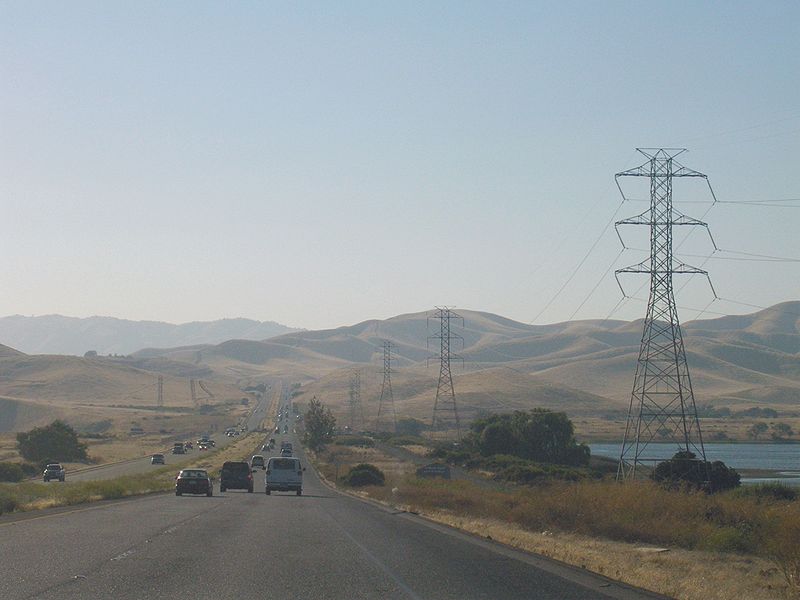
(Image credit: Wikimedia Commons)

On June 30, PG&E posted a notice on its website that it posted a plan for “modernizing its electric infrastructure to deliver a host of energy and cost savings to PG&E customers across Northern and Central California.”

For those interested in reading the plan, you can access it via the news release or open the PDF directly here.

– – –